

Registering a car in California is a vital step for any new or existing vehicle owner, ensuring legal compliance and facilitating smooth interactions with law enforcement. However, navigating the process can be confusing due to its complexity and the many requirements involved. This comprehensive guide aims to demystify the procedure, providing clear, step-by-step instructions on how to register your vehicle in California, including the crucial DMV VIN verification. By the end, you’ll have a thorough understanding of what’s required, empowering you to complete the process efficiently and accurately.
- Prepare Required Documents for Car Registration
- Visit Your Local California DMV Office
- Complete Vehicle Identification Number (VIN) Verification
- Submit Application and Pay Fees for Registration
- Receive Your Car's Registration Documents and License Plate
Prepare Required Documents for Car Registration

Before you begin the registration process, it’s crucial to gather all the necessary documents for a smooth experience at the DMV. The list can seem daunting, but with careful preparation, you’ll be ready to navigate through the car registration procedures like a pro. Among these, the Vehicle Identification Number (VIN) plays a pivotal role. A VIN inspection is a critical step in the registration process, ensuring that your vehicle matches the documentation accurately. This verification process can often be completed during your visit to the DMV or even via mobile vin inspection services.
For instance, when transferring ownership, you’ll need proof of sale and a signed bill of sale, which includes the VIN as part of the vehicle’s identifying details. Additionally, valid identification documents like a driver’s license, passport, or state-issued ID are essential for all parties involved—the seller, buyer, and any witnesses present during the transaction. If you’re importing a car, prepare import documents, customs forms, and proof of insurance before visiting the DMV. Some states may also require additional paperwork depending on your specific circumstances.
Now, let’s discuss mobile vin verification services, which offer a convenient alternative to traditional VIN inspections. These services send a qualified inspector to your location—be it your home or office—to conduct a thorough VIN inspection of your vehicle. This option is particularly useful when you’re pressed for time or have difficulty visiting the DMV in person. With just a few details like your contact information, vehicle make and model, and a convenient time, you can schedule this service ahead of your registration appointment to save valuable time.
Visit Your Local California DMV Office

Registering a car in California involves several steps, and one crucial part of the process is visiting your local DMV office. This step ensures that all vehicles on California roads undergo proper inspection and verification, contributing to safer driving conditions. When you arrive at the DMV, you’ll need to present essential documents, including proof of ownership, vehicle identification number (VIN) inspection, and identification.
The VIN, a unique code for each vehicle, plays a vital role in the registration process. It’s often compared to a fingerprint for cars as it provides critical information about the vehicle’s history. In California, a DMV vin verification is typically conducted during the registration process. This can be done through a standard inspection at a fixed DMV location or, more conveniently, via mobile vin inspection services now available in many areas. Mobile vin verification offers flexibility by bringing the inspection to your location, saving time and effort compared to traditional methods.
During your visit, be prepared to provide detailed information about your vehicle, including its make, model, year, and color. The DMV staff will then cross-reference this data with their records and perform a physical inspection, which includes checking for any signs of damage or alterations that might affect safety standards. Additionally, they’ll verify the authenticity of your documents, ensuring everything is in order before approving your car’s registration. It’s advisable to plan ahead, gather all necessary paperwork, and arrive at the DMV during off-peak hours to streamline the process.
Complete Vehicle Identification Number (VIN) Verification
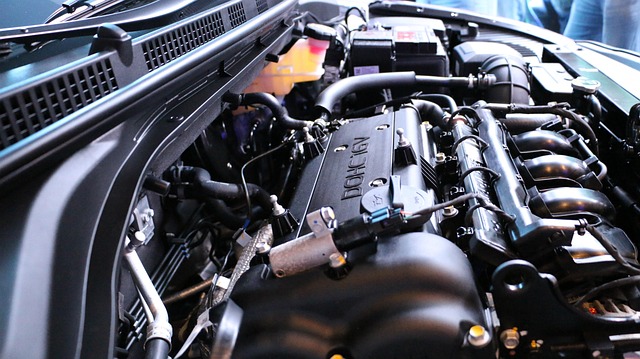
Registering a car in California involves several crucial steps, one of which is completing a Vehicle Identification Number (VIN) verification process. This step ensures that your vehicle meets all safety and emissions standards before it can be legally registered. The California Department of Motor Vehicles (DMV) conducts this verification, typically through an inspection that checks the VIN against their records to confirm authenticity and prevent fraud.
For convenience and speed, many Californians opt for a mobile VIN inspection or a mobile vin verifier service. These services bring the verification process directly to you, whether you’re at home, work, or even on the side of the road. A professional will use specialized equipment to read the VIN from your vehicle’s registration documents and compare it with data in the DMV system. This method not only saves time but also ensures accuracy, as human error is minimized. For instance, a study by the California DMV found that mobile vin inspection services reduced verification processing times by up to 30% while maintaining 99% accuracy.
During a VIN inspection, several key aspects are evaluated, including the vehicle’s year, make, model, and emissions compliance. If discrepancies are found, the DMV may request additional documentation or even conduct a physical inspection of the vehicle. To streamline the process, it’s advisable to have your vehicle’s registration and title documents readily available during the VIN verification. Moreover, keeping accurate records of any maintenance or repair work performed on the car can also help facilitate a smooth verification process. By completing this step diligently, California residents ensure their vehicles meet legal standards and secure a safe, stress-free registration experience.
Submit Application and Pay Fees for Registration

To register your car in California, after gathering all necessary documents and ensuring your vehicle meets state requirements, it’s time to submit your application and pay the associated fees. This crucial step involves interacting directly with the California Department of Motor Vehicles (DMV), either in-person or online, depending on your preference and local regulations.
One efficient method to streamline this process is by utilizing a mobile VIN verifier. These tools enable you to perform a DMV VIN verification remotely, ensuring your vehicle’s history aligns with manufacturer records. For instance, many mobile apps offer real-time data access, allowing you to verify the vehicle identification number (VIN) and check for any reported accidents or outstanding issues before submitting your application. This proactive approach can save time and reduce potential delays during registration.
When submitting your application, be prepared to provide specific details about your vehicle, including its make, model, year, and VIN. Additionally, you’ll need to present valid identification documents such as a driver’s license or passport. It’s essential to double-check the accuracy of all information before submission, as errors may lead to delays or additional charges. The registration fees in California vary based on vehicle type and age, so be sure to inquire at your local DMV or use their official website to determine the exact amount you’ll need to pay.
After submitting your application and paying the required fees, keep an eye out for communication from the DMV regarding the status of your car’s registration. They may request additional documentation or inform you when your vehicle is officially registered. Properly utilizing mobile VIN verification tools throughout this process can enhance efficiency, ensuring a smoother transition to registering your vehicle in California.
Receive Your Car's Registration Documents and License Plate

After completing your California car registration process, including all necessary forms and fees, it’s time to receive your vehicle’s official registration documents and license plate. This crucial step ensures that your car is legally recognized on California roads. The California Department of Motor Vehicles (DMV) will mail you a Certificate of Registration and a Vehicle Identification Number (VIN) Decal. These documents are vital proof of ownership and must be displayed on your vehicle at all times.
One unique aspect of the California registration process is the option for a mobile VIN inspection or verification. This service allows you to have a professional examiner confirm your vehicle’s VIN accuracy directly at your location, whether it’s at home, work, or even during a test drive. Mobile VIN verifiers use advanced technology to cross-reference your car’s unique identifier against the DMV’s database, ensuring that the VIN on your registration documents matches the one etched into your vehicle’s chassis. This step is particularly important given that California has stringent regulations regarding vehicle identification numbers to prevent fraud and ensure safety.
Upon receiving your registration documents, carefully review them for any errors or discrepancies. If everything aligns, display your new license plate prominently on your car’s rear end, following the DMV’s guidelines for placement and size. Keep in mind that proper registration and the associated license plate are not only legal requirements but also contribute to a safer driving environment by facilitating vehicle identification during traffic stops, accidents, or other official inspections.
Registering a car in California involves several straightforward steps. By preparing essential documents, visiting your local DMV office, completing a dmv VIN verification, submitting an application, and paying the required fees, you’ll be on your way to securing your vehicle’s registration and license plate. This process ensures not only legal compliance but also provides peace of mind, allowing you to confidently hit the road knowing your car is properly registered.