

Registering a car in California is a crucial step for any new or existing vehicle owner, ensuring legal compliance and protecting your investment. However, navigating the process can be daunting, with numerous steps and potential pitfalls. This comprehensive guide aims to demystify the registration procedure, offering expert insights on every aspect from gathering essential documents to understanding fees and, of course, highlighting the critical role of DMV VIN verification in ensuring a smooth and lawful transaction.
- Understand California Car Registration Requirements
- Gather Necessary Documents for DMV Visit
- Perform DMV VIN Verification Step-by-Step
- Complete Car Registration Application Accurately
- Pay Fees and Receive Your Registration Documents
Understand California Car Registration Requirements

Registering a car in California involves understanding several key requirements to ensure compliance with state laws. One crucial aspect is the Vehicle Identification Number (VIN) verification process, which serves as a critical link for tracking vehicle history and ensuring safety standards. The California Department of Motor Vehicles (DMV) mandates that VIN inspection be conducted during registration, emphasizing the importance of accurate and up-to-date information.
A key component of this process is utilizing a reliable mobile VIN verification service, especially for vehicles with complex histories or those purchased from out-of-state dealers. Mobile VIN verifiers play a pivotal role in streamlining the registration process by providing instant, remote access to vehicle data. This technology allows DMV staff to cross-reference critical information, including accident reports, outstanding liens, and recall notices, thereby facilitating faster and more efficient registration.
For instance, a 2018 study by the California DMV revealed that nearly 20% of vehicles inspected had discrepancies in their records, highlighting the importance of meticulous VIN inspection. To ensure a smooth registration experience, consider employing a mobile VIN verifier before visiting the DMV. This proactive step can save time, prevent potential delays, and provide peace of mind, ensuring your vehicle’s history is accurately represented during the California car registration process.
Gather Necessary Documents for DMV Visit

Before you can register your car in California, you’ll need to gather all the essential documents and ensure your vehicle passes a thorough VIN inspection. This process is crucial to verify the vehicle’s identity and history, which the DMV accomplishes through a detailed Vehicle Identification Number (VIN) verification. One efficient approach to this step involves utilizing mobile VIN inspection services that bring the necessary technology directly to you.
These mobile vin verifiers provide a convenient way to ensure your car meets all legal standards before registration. For instance, many of these services offer real-time data access, allowing you to confirm the vehicle’s title history, accident records, and any potential issues reported by previous owners. This proactive approach not only saves time but also enhances transparency during the registration process. It’s advisable to check with local regulations as some areas in California may have specific requirements or accepted verification methods that must be followed.
Additionally, you’ll need to provide proof of insurance, valid identification documents such as a driver’s license, and possibly pay registration fees. Having your VIN inspected by a mobile service can streamline this process, ensuring you have accurate and up-to-date information ready for the DMV visit. This is especially beneficial for out-of-state vehicles or those with complex ownership histories, where obtaining reliable documentation might be more challenging.
Perform DMV VIN Verification Step-by-Step

To register your car in California, performing a DMV VIN verification is a crucial step. This process ensures that your vehicle meets all necessary safety and emissions standards before it can be legally operated on state roads. Here’s a detailed guide on how to accomplish this task efficiently.
First, gather the required documents—your vehicle’s title, registration application form, proof of insurance, and identification (like a driver’s license). Next, visit a California DMV office or use their online services for VIN verification. The process begins with providing your Vehicle Identification Number (VIN), which can be found on the vehicle’s chassis or in its documentation. Once entered, the system will cross-reference this number against its database to confirm the vehicle’s authenticity and compliance with state regulations.
For those who prefer a more convenient approach, mobile VIN verification services offer a practical alternative. These services allow you to perform the inspection from the comfort of your home or office by providing a clear photo of your VIN using a smartphone app. This method not only saves time but also proves beneficial for individuals with busy schedules or accessibility issues. Some services even offer immediate digital receipts upon successful verification, streamlining the registration process further.
However, it’s essential to understand that while mobile VIN inspection can be efficient, it may not replace every requirement of a physical DMV visit, especially for complex vehicle types. Regularly, the California DMV updates its systems and guidelines, so staying informed about any changes is key to ensuring a smooth registration process. For instance, recent data indicates a significant reduction in processing times at DMV offices due to digital upgrades, enabling faster service for all customers.
Complete Car Registration Application Accurately

When registering your car in California, accurately completing the Car Registration Application is a critical step. This involves providing detailed and accurate information about your vehicle, including its make, model, year, and unique Vehicle Identification Number (VIN). The California Department of Motor Vehicles (DMV) relies on this data for several processes, including title transfer, insurance verification, and even VIN inspection during registration.
A key component in this process is ensuring that your VIN is accurately recorded. This number serves as a unique identifier for your car, similar to a fingerprint. It’s crucial for tracking vehicle history, which can be vital for both ownership transfer and safety inspections. For instance, California requires a mobile VIN inspection during registration, where a qualified inspector verifies the VIN on your car’s engine or chassis. This step ensures that your vehicle matches the details provided in the registration application.
To ensure accuracy, double-check every detail before submitting. Cross-reference information from your car’s documents, such as the title and insurance card, with the application form. If you’re conducting a mobile VIN inspection, ensure the inspector has access to all necessary areas of your vehicle for an accurate read. Remember, even minor discrepancies can delay the registration process or lead to further scrutiny. Therefore, taking the time to fill out the application precisely is not just recommended but essential for a smooth registration experience.
Pay Fees and Receive Your Registration Documents
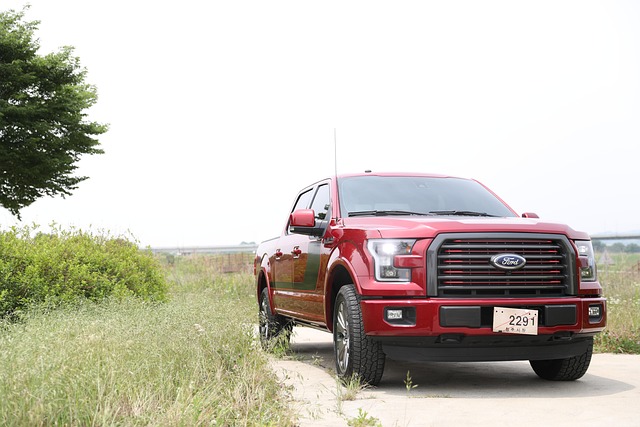
After completing the necessary forms and gathering all required documents, the next step in registering your car in California is to pay the associated fees. These fees cover various expenses related to vehicle registration and licensing, ensuring that your car complies with state regulations. The California Department of Motor Vehicles (DMV) outlines these fees clearly on its website, making it easy for you to understand what to expect. Payment can typically be made online or at a local DMV office using a debit or credit card. Once processed, the DMV will conduct a vehicle identification number (VIN) verification as part of their routine inspection process. This involves cross-referencing your car’s unique VIN with the manufacturer’s records to ensure its authenticity and check for any reported issues, such as theft or outstanding recalls.
Successfully passing the VIN verification is crucial before receiving your registration documents. To streamline this process, some services offer mobile VIN verification options. These mobile verifiers utilize advanced technology to transmit your car’s VIN digitally, enabling real-time validation with the DMV database. This modern approach can save you time and effort by eliminating the need for an in-person visit or lengthy waiting periods. Once your vehicle passes inspection, the DMV will generate your registration documents, which include details like the vehicle’s make, model, year, and emission status. These documents serve as legal proof of your car’s registration and must be kept on hand at all times while operating the vehicle within California state lines.
It’s advisable to double-check that all information on the registration documents aligns with what you’ve submitted during the application process. Any discrepancies should be addressed promptly by contacting the DMV for clarification or correction. Properly registered vehicles are not only legal but also ensure your safety and the safety of other road users, as well as facilitate smoother interactions with law enforcement and insurance companies in case of emergencies or claims.
By meticulously following California’s car registration process, from document preparation to fee payment, you can ensure a smooth experience. The key steps include gathering essential paperwork, completing the DMV VIN verification process with accuracy, and filling out the registration application correctly. Understanding these requirements is crucial, as proper compliance prevents delays and potential issues. The DMV VIN verification step, in particular, demands meticulous attention to detail. Once completed, you’ll be one step closer to receiving your official registration documents, allowing you to legally operate your vehicle in California with confidence.