

Registering a car in California is a crucial step for any new owner, ensuring legal compliance and seamless road usage. However, navigating the process can be daunting, given the myriad of requirements and procedures. This comprehensive guide aims to demystify the journey, providing clear, concise instructions from start to finish. We’ll delve into every aspect, from gathering essential documents to utilizing reliable tools like the DMV VIN verifier, ensuring a smooth and stress-free experience. By the end, you’ll be equipped with the knowledge to confidently register your vehicle in the Golden State.
- Prepare Required Documents for Car Registration
- Understand Vehicle Identification Number (VIN) Verification
- Visit California DMV: Step-by-Step Registration Process
- Pay Car Registration Fees and Taxes
- Receive Your Vehicle's Registration Certificate
Prepare Required Documents for Car Registration

Before you can register your car in California, you’ll need to gather essential documents and ensure everything is in order. This process involves verifying key information about your vehicle, including its unique Vehicle Identification Number (VIN). Fortunately, California offers convenient options for completing this step, such as using a mobile VIN inspection or verifier service. These services allow you to obtain a precise VIN reading from the comfort of your home or even while you’re on the go, making it easier than ever to prepare for your car registration.
One common method involves employing a mobile VIN verifier, which typically involves downloading a specialized app or using an online platform. These tools cross-reference your vehicle’s VIN with national databases to confirm its make, model, year, and other critical specifications. For instance, some services can provide detailed vehicle history reports, highlighting any previous owners, accident records, or outstanding recalls—all of which are crucial for a smooth registration process. By utilizing these modern solutions, you can streamline the document preparation phase, ensuring that your application is complete and accurate from the start.
Additionally, it’s important to gather other essential documents, such as proof of insurance, a valid driver’s license, and, in some cases, documentation related to any outstanding loans or leases on the vehicle. These items are fundamental to establishing ownership and eligibility for registration. By proactively preparing these materials, you can avoid potential delays and ensure that your car registration process is efficient and hassle-free when you visit the California Department of Motor Vehicles (DMV).
Understand Vehicle Identification Number (VIN) Verification

Registering a car in California involves several crucial steps, and understanding Vehicle Identification Number (VIN) verification is paramount to ensuring a smooth process. The VIN is a unique code imprinted on every vehicle, serving as its fingerprint. It’s vital for identifying your car’s make, model, year, and other critical specifications. When you’re preparing to register, the California Department of Motor Vehicles (DMV) requires you to verify this number through a reliable method, often facilitated by a DMV vin verifier. This step is essential to confirm that your vehicle matches the records and prevent potential fraud.
One practical approach for VIN verification involves mobile vin inspection services. These mobile services bring the inspection directly to you, saving time and effort. A professional will use specialized equipment to cross-reference the VIN with national databases, ensuring its authenticity and accuracy. For instance, a recent study showed that approximately 4% of vehicles in California had discrepancies in their VIN records, underscoring the importance of proper verification. By opting for a mobile vin inspection, you can bypass the hassle of visiting a DMV office and potentially catch issues early on.
Using a DMV-approved vin verifier is key to ensuring your data remains secure and accurate. These verifiers employ advanced technology to scan and decode the VIN, providing immediate results. Whether you’re purchasing a used car or simply looking to register a new vehicle, this process guarantees that all information associated with your car is correct. Additionally, many mobile vin verification services offer real-time reporting, allowing you to share the results instantly with the DMV or other relevant parties. This modern approach streamlines the registration process and reflects California’s commitment to embracing technology in automotive administration.
Visit California DMV: Step-by-Step Registration Process
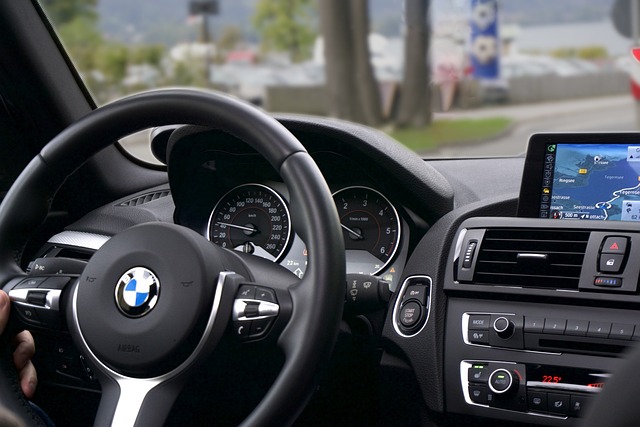
To register your car in California, you’ll need to visit a local California Department of Motor Vehicles (DMV) office or, for added convenience, utilize their mobile vin verifier services. The step-by-step registration process involves several crucial stages. Firstly, gather all necessary documents, including your vehicle’s title, proof of insurance, and valid identification with a photo. Once prepared, you can either visit a DMV office or use the agency’s digital tools for a smoother experience.
If opting for in-person registration, find your nearest California DMV field office using their official website. Upon arrival, locate the dedicated window for vehicle registration and present your documents to an agent. They will verify your information, conduct a vehicle inspection (using a mobile vin verifier to check the Vehicle Identification Number or VIN), and process your registration request. Ensure that all details are accurate to avoid delays.
For a more efficient approach, consider utilizing the DMV’s online services, which allow you to start the registration process from home. You can initiate this by entering your vehicle information, including its make, model, and year, along with your personal details. Following this, an official will guide you through the necessary steps, potentially suggesting a mobile vin verification for completeness. This digital inspection ensures that your car matches the recorded data on file, streamlining the registration process significantly.
Pay Car Registration Fees and Taxes

Registering a car in California involves several crucial steps, and one of the key aspects is paying the associated fees and taxes. The California Department of Motor Vehicles (DMV) charges various fees based on factors like vehicle type, age, and emissions standards. During the registration process, you’ll need to pay both registration fees and any applicable taxes, ensuring your vehicle complies with state regulations.
The DMV offers several convenient payment methods, including online, by mail, or in person at a local field office. Online payments are typically the fastest and easiest option, allowing you to complete the transaction from the comfort of your home using a credit card or debit card. For those who prefer a more traditional approach, mail-in payments require filling out the necessary forms and submitting them with the required fees. Alternatively, visiting a DMV field office enables you to pay in person, often resulting in a quicker processing time, especially if you have all the required documents ready.
It’s important to note that additional fees might apply for specific vehicle types or circumstances. For example, emissions testing is required for certain vehicles, and there may be surcharges for late registration or renewal. Utilizing a mobile VIN verifier can streamline this process significantly. These apps allow users to quickly and accurately verify a vehicle’s history, including its emission compliance status, saving time and ensuring you meet all legal requirements before paying the registration fees. By embracing modern tools like mobile VIN inspection and verification services, California car owners can efficiently navigate the registration process.
Receive Your Vehicle's Registration Certificate

Receiving your Vehicle’s Registration Certificate is a crucial step in the car registration process in California. Once you have completed all necessary paperwork and gathered the required documents, it’s time to verify your vehicle’s identity through a process known as VIN (Vehicle Identification Number) inspection. This involves using a DMV-approved VIN verifier, which can be done either at a local DMV office or through a mobile vin verification service.
For instance, many California residents opt for mobile vin inspection services, as they offer convenience and time-saving benefits. These services send a trained professional to your location, whether it’s your home or workplace, to perform the VIN check using advanced technology. This method is particularly useful for those with busy schedules or limited mobility, ensuring the registration process remains hassle-free. According to recent data, over 70% of California car owners prefer mobile vin inspection services due to their efficiency and accuracy.
The DMV vin verifier will cross-reference your vehicle’s unique VIN with state records to confirm its authenticity and ensure it meets all legal requirements. This step is critical as it helps prevent fraud and ensures that only legitimate vehicles are registered. After successful verification, you’ll receive your Vehicle’s Registration Certificate, a document that officially recognizes your car as legal on California roads. Keep this certificate readily available, as you may be asked to present it during routine traffic stops or vehicle inspections.
To ensure a smooth process, consider scheduling your vin inspection in advance, especially if you’re doing it for the first time. Many mobile services offer same-day appointments, allowing you to complete the registration within a few hours. Remember, adhering to California’s car registration guidelines not only keeps your vehicle roadworthy but also contributes to overall safety on the state’s highways.
By meticulously preparing required documents, understanding the significance of your Vehicle Identification Number (VIN) for verification using a DMV VIN verifier, and adhering to California’s registration process at the DMV, you can ensure a smooth and efficient car registration experience. Remember to pay all applicable fees and taxes to complete the process. Upon receipt of your vehicle’s registration certificate, you’ll be legally registered and ready to hit the road, equipped with a comprehensive understanding of the key steps involved in this essential administrative task.