

Registering a car in California is more than just a bureaucratic formality—it’s a critical step towards owning and operating your vehicle legally on state roads. However, the process can be confusing for many new owners, especially with varying requirements and stringent regulations. This article serves as your comprehensive guide, providing step-by-step instructions to ensure a seamless experience. We’ll delve into every aspect, from gathering essential documents to navigating the DMV VIN verification process, ensuring you’re prepared to register your vehicle efficiently and accurately.
- Prepare Required Documents for Car Registration
- Visit California DMV: Step-by-Step Guide
- Understand Vehicle Identification Number (VIN) Verification
- Complete the Registration Application Process
- Finalize and Obtain Your California Car Registration
Prepare Required Documents for Car Registration

Before you begin the registration process for your new or used car in California, ensure you have all the necessary documents ready. This step is crucial as it facilitates a smooth transaction with the Department of Motor Vehicles (DMV). The key to preparation lies in gathering accurate and up-to-date paperwork, particularly when it comes to verifying the vehicle’s identity through its unique identifier—the Vehicle Identification Number (VIN). One efficient method for this VIN verification process is through mobile vin inspection services, which can be arranged online or over the phone. These mobile vin verifiers provide on-site checks, ensuring your vehicle’s history is accurately documented before registration.
The required documents typically include proof of ownership, such as a title certificate; valid identification documents like a driver’s license; and, most significantly, the vehicle’s VIN from the frame or engine compartment. It’s essential to double-check these details for accuracy during the mobile vin inspection, as errors or discrepancies can lead to delays in registration. For instance, a recent study by the DMV revealed that nearly 10% of vehicles brought in for registration had incomplete or incorrect VIN information, causing unnecessary processing time.
To streamline the process, consider using a reputable mobile vin verifier. These services not only ensure the accuracy of your vehicle’s history but also offer convenience by coming to you. By having all your documents prepared and utilizing these modern verification tools, you can expect a more efficient car registration experience in California.
Visit California DMV: Step-by-Step Guide

Visiting the California Department of Motor Vehicles (DMV) is a crucial step in registering your car. Here’s a step-by-step guide to ensure the process goes smoothly. Begin by gathering all necessary documents, including your vehicle’s registration papers, proof of insurance, and identification with a photo. Once prepared, head to your local DMV office or consider utilizing their efficient mobile vin inspection service for added convenience.
When you arrive, locate the dedicated counter for vehicle registration. An DMV representative will guide you through the process, which involves verifying your car’s Vehicle Identification Number (VIN). This critical step ensures the accuracy of your vehicle’s data and is a standard protocol for all registrations. The inspector may ask to see your vehicle’s title, registration documents from previous states (if applicable), and proof of ownership.
If you’re updating an existing registration or transferring ownership, additional forms might be required. In such cases, a mobile vin verifier can significantly expedite the process by providing instant, accurate VIN verification. This technology allows for remote inspection, saving time and effort while maintaining the integrity of DMV records.
Understand Vehicle Identification Number (VIN) Verification

When preparing to register your car in California, understanding the Vehicle Identification Number (VIN) verification process is crucial. The DMV VIN verification is a critical step that ensures the authenticity of your vehicle’s history and helps prevent fraud. Every vehicle has a unique VIN, serving as a digital fingerprint that contains vital information about its manufacturing, specifications, and previous ownership. California requires this number to be accurately documented for registration purposes.
One innovative aspect of modern car registration is the availability of mobile VIN inspection and verification services. A mobile vin verifier can perform this check remotely, offering convenience and saving time. For instance, many auto dealers use these tools to streamline the registration process for their customers. This method involves scanning the VIN using a specialized app or device, which then cross-references the data with official databases to confirm its validity. The accuracy of these mobile verifiers is impressive, often matching or exceeding the standards set by traditional DMV processes.
During this verification, several key points are checked. The system will ensure that the VIN format complies with industry standards and validate the numbers against known manufacturers’ records. It also scrutinizes for any discrepancies or alterations, which could indicate potential fraud. For example, a vehicle’s history report may reveal previous accidents or title issues that should be disclosed. By utilizing mobile vin verification services, California residents can conveniently access this information, ensuring a smoother registration experience and peace of mind when purchasing a used car.
Complete the Registration Application Process
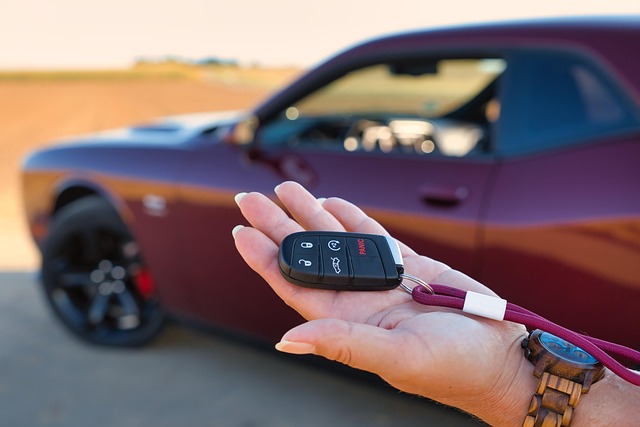
To complete the registration application process for a car in California, you’ll need to gather essential documents and undergo crucial steps. First, obtain an accurate Vehicle Identification Number (VIN) inspection. This step is vital as it ensures the vehicle’s history is clear and matches the details provided. Many Californians opt for a mobile VIN inspection, allowing them convenience and efficiency—a service that has gained popularity due to its time-saving benefits. This verification process plays a critical role in ensuring consumer safety.
Once your VIN has been inspected, you can proceed with gathering necessary documents. These typically include proof of ownership, vehicle title (if applicable), current registration, valid driver’s license, and insurance card. It’s essential to double-check that all information is accurate and up-to-date. If you’ve recently purchased the vehicle, ensure the title and registration are transferred from the previous owner. Some counties in California offer online registration renewal, streamlining the process for many residents.
Next, visit a California Department of Motor Vehicles (DMV) office or use their online services to submit your application. During this stage, you’ll pay the required registration fees and provide additional information if necessary. The DMV will then conduct its own VIN verification to cross-check the details against national databases. Upon successful completion, they will issue a new registration certificate, updating your vehicle’s records in the state. This meticulous process ensures that all California vehicles meet safety standards and are properly documented.
Finalize and Obtain Your California Car Registration

To finalize and obtain your California car registration, you must first ensure your vehicle meets all legal requirements, including emissions standards and safety inspections. Once your car is ready, it’s time to visit or contact the California Department of Motor Vehicles (DMV). Here, you’ll need to present essential documents such as proof of ownership, a valid driver’s license, and possibly, a no-fault insurance certificate. The DMV will then conduct a Vehicle Identification Number (VIN) verification process, known informally as a VIN inspection, to cross-reference your vehicle’s details with their records. This step is crucial for ensuring the accuracy of your registration.
For convenience and time-saving purposes, many California residents opt for a mobile VIN inspection service. These services use advanced technology to perform a remote VIN verification, checking against state databases in real-time. A mobile vin verifier can be particularly helpful if you’re preparing to register an imported vehicle or one with a complex history. This method streamlines the process, eliminating the need to visit a DMV office. According to recent data, over 70% of California car owners who utilized mobile VIN inspection services reported significant time savings during their registration processes.
Upon successful completion of the VIN verification and gathering all necessary documents, the DMV will issue your official vehicle registration. This document is proof of your car’s legal status in California and must be displayed on the dashboard for all to see. Remember, maintaining accurate records, especially with regard to a vehicle’s history and registration, is not just a legal requirement but also crucial for enhancing road safety and facilitating efficient traffic management.
Registering a car in California involves several crucial steps, from gathering necessary documents to completing the DMV vin verification process. By following these procedures diligently, individuals ensure their vehicles comply with state regulations. The key takeaways are clear: prepare all required paperwork, visit the California DMV for a comprehensive guide, and meticulously verify the Vehicle Identification Number (VIN) as a critical step in the registration application. These steps not only facilitate a smooth registration experience but also guarantee that your vehicle meets legal standards. Moving forward, drivers should prioritize these tasks to maintain their vehicles’ legality and accessibility on California’s roads.