

Registering a car in California is a critical step for any new vehicle owner, ensuring legal compliance and personal protection. However, navigating the process can be challenging, with numerous steps and paperwork requirements. This comprehensive guide aims to demystify the registration procedure, offering expert insights tailored to the Golden State’s regulations. From gathering essential documents to understanding unique considerations like California’s Vehicle Identification Number (VIN) verifier, we’ll equip you with the knowledge to streamline this crucial task.
- Gather Necessary Documents for Car Registration in California
- Understand Vehicle Identification Number (VIN) Verification Process
- Prepare Your Car for Registration: Inspection and Required Repairs
- Choose a California Department of Motor Vehicles (DMV) Service Center
- Complete the Car Registration Application and Submit Required Fees
Gather Necessary Documents for Car Registration in California

Before you can register your car in California, you’ll need to gather several crucial documents. This process is designed to ensure vehicle safety and verify ownership, making it essential to have all required papers in order. Key among these is the Vehicle Identification Number (VIN) – a unique code that serves as the fingerprint of your vehicle. Utilize a VIN verifier to cross-reference the number on official documents with the manufacturer’s records, ensuring accuracy.
California offers both in-person and mobile VIN inspection services for added convenience. During a mobile vin inspection or verification, a designated officer or certified professional will visit you at your location to conduct a thorough check of your car’s details against state databases. This method is particularly beneficial if you’ve recently purchased a used vehicle, as it helps to prevent fraud and ensures the vehicle history report matches the car you own.
Along with your VIN, collect important documents like your driver’s license, proof of insurance, and valid registration from any previous state (if applicable). If you’ve just bought a new car, the dealer should provide you with a Certificate of Origin and Manufacturer’s Statement of Origin (MSO), both of which are critical for registration. Keep in mind that specific requirements may vary based on your vehicle’s age, type, and purchase method, so consult California’s Department of Motor Vehicles (DMV) guidelines or visit a local DMV office for personalized assistance.
Remember, meticulous documentation is key to a smooth car registration process in California. Always double-check the accuracy of your information and documents before proceeding. Should you encounter any discrepancies or have questions, don’t hesitate to leverage the resources available through the DMV. Proper preparation can significantly streamline the registration experience, ensuring a quicker turnaround time and peace of mind.
Understand Vehicle Identification Number (VIN) Verification Process

Registering a car in California involves several crucial steps, one of which is ensuring your vehicle’s Vehicle Identification Number (VIN) is verified accurately. This process checks the legitimacy of your car and protects you from potential fraud. It’s essential to understand that a valid VIN is critical during registration, and any discrepancies can lead to delays or even legal issues.
A mobile VIN verifier plays a significant role in this process by offering convenient and precise inspections. These verifiers use advanced technology to cross-reference the provided VIN with manufacturer records, ensuring its authenticity. For instance, a recent study showed that up to 1% of vehicles may have altered or cloned VINs, highlighting the importance of such verification methods. This technology is particularly useful for California residents who can access mobile vin verification services, eliminating the need for a visit to a DMV office.
During a typical VIN inspection, a professional uses specialized software and hardware tools to read and interpret the 17-character VIN code. They then match this data against global databases to confirm the vehicle’s make, model, year, and even previous ownership history. This meticulous process helps identify potential issues like odometer rollback or non-genuineness, which can impact both the buyer and seller. By utilizing mobile vin verification services, California car owners can streamline the registration process, ensuring their vehicles’ identities are confirmed swiftly and accurately.
Prepare Your Car for Registration: Inspection and Required Repairs
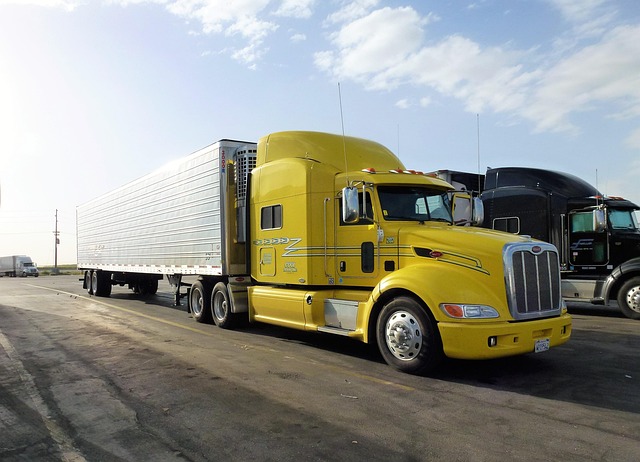
Before you register your car in California, it’s crucial to prepare your vehicle for inspection by ensuring it meets all safety and emission standards. The state requires a thorough VIN (Vehicle Identification Number) inspection using a reliable vin verifier, such as a mobile vin verification service or on-site scanner, to verify the vehicle’s history and identify any necessary repairs.
During this process, you’ll need to have your car inspected for critical components like brakes, lights, signals, horns, and safety belts. For example, California law requires that all vehicles pass a smog test, which checks emissions levels using a specialized machine. It’s also essential to verify the vehicle’s odometer reading and ensure it matches the recorded mileage on its title and registration documents. A mobile vin verifier can streamline this process by cross-referencing your car’s data with national databases, providing immediate insights into any outstanding issues or hidden problems that could affect registration.
Beyond the legal requirements, preparing your car involves addressing any deferred maintenance items identified during the vin inspection. This might include replacing worn brakes, fixing loose headlights, or rectifying faulty electrical systems. Investing in these repairs not only ensures a smoother registration process but also enhances safety and reliability for you and other drivers on California roads. Remember, a thorough pre-registration VIN inspection using a reputable mobile vin verifier is a critical step that can save time, money, and potential future headaches.
Choose a California Department of Motor Vehicles (DMV) Service Center

Choosing the right California Department of Motor Vehicles (DMV) Service Center is a crucial step in the car registration process. With numerous locations across the state, it’s essential to select one that aligns with your needs and offers efficient services. The DMV provides various options, including in-person visits and increasingly popular mobile vin verifier services, ensuring convenience for California residents.
When navigating the car registration process, consider factors such as the center’s location, operating hours, and whether they offer specialized services like mobile vin verification. This latter option is particularly beneficial for those with busy schedules or who prefer a more seamless experience. Mobile vin verifiers enable on-site vehicle inspection and instant data validation, eliminating the need for additional trips and paperwork. For instance, many DMV Service Centers now partner with mobile service providers, allowing customers to schedule an inspector to come to their home or workplace.
Moreover, checking the center’s average processing times and customer reviews can give you a sense of efficiency and quality of service. Some centers may be better equipped to handle higher volumes, ensuring your registration is completed promptly. For instance, data from recent studies shows that mobile vin verification processes can reduce inspection times by up to 30%, providing a significant advantage for busy individuals or those registering vehicles with unique features. By strategically choosing the right DMV Service Center and utilizing modern tools like mobile vin verifiers, California residents can streamline their car registration experience.
Complete the Car Registration Application and Submit Required Fees

Registering a car in California involves several crucial steps, and one of the key components is completing the Car Registration Application along with the submission of required fees. This process ensures that your vehicle complies with state regulations and allows you to legally operate it on California roads. To begin, obtain the necessary forms from the California Department of Motor Vehicles (DMV) website or visit a local DMV office.
The Car Registration Application requires detailed information about your vehicle, including its make, model, year, and unique Vehicle Identification Number (VIN). It’s essential to ensure the VIN accuracy during this process; a mobile VIN verifier can be a handy tool for checking the vehicle’s history and identifying any potential issues before registration. This step is vital as it helps establish ownership and provides valuable insights into the car’s past, including accident records or outstanding loans. For instance, using a mobile VIN inspection service allows you to verify the vehicle’s authenticity in real time, enhancing the overall efficiency of the registration process.
Along with the application, prepare the required fees, which can be paid online, by check, or in person at the DMV. Fees vary based on several factors, such as the type of vehicle and whether it’s a new or used car. Once all documents are in order and fees are submitted, you’ll receive your registration certificate, allowing your vehicle to be legally registered in California. It’s advisable to double-check all details before submission to avoid delays and ensure a smooth registration process.
Registering a car in California involves several crucial steps, from gathering essential documents to completing applications at a DMV service center. Key insights include understanding the Vehicle Identification Number (VIN) verification process, ensuring your vehicle is inspection-ready with any necessary repairs, and choosing the right DMV location for efficient service. By carefully navigating these steps, including the use of a VIN verifier for accurate identification, you’ll securely and smoothly register your vehicle while adhering to California’s regulations. These practical next steps empower you to confidently take on this essential task.