

Registering a car in California is a vital step for any new vehicle owner, ensuring legal compliance and facilitating smooth operation on the state’s roads. However, navigating the process can be challenging, with its unique requirements and paperwork. Many find themselves unfamiliar with the steps, leading to delays and potential errors. This comprehensive guide aims to empower readers by demystifying the car registration procedure in California, offering clear instructions, and highlighting crucial aspects such as using a DMV VIN verifier to ensure accuracy and avoid costly mistakes.
- Prepare Necessary Documents for Car Registration
- Visit California DMV: Step-by-Step Guide
- Verify Vehicle Identification Number (VIN) with DMV
- Complete Application and Pay Registration Fees
- Receive Your Vehicle's Registration and License Plate
Prepare Necessary Documents for Car Registration

Before you can register your car in California, ensuring all necessary documents are prepared is paramount to a smooth process. This involves gathering crucial paperwork that verifies your vehicle’s authenticity and history. One essential tool in this regard is the DMV VIN Verifier, an online service that facilitates the validation of your car’s unique Vehicle Identification Number (VIN). This number acts as a fingerprint for your vehicle, providing insights into its make, model, year, and more, which is critical during registration.
The process begins with acquiring a valid title, which establishes you as the legal owner. Alongside this, you’ll need a current vehicle inspection report, demonstrating your car meets safety and emissions standards. For many California residents, obtaining a mobile VIN inspection or verification service streamlines this step, as it allows for convenient and swift confirmation of their vehicle’s details. These services can be particularly beneficial for those with busy schedules or limited access to traditional inspection facilities.
Additionally, you must provide proof of insurance and pay the associated registration fees. It’s worth noting that California has specific requirements for registration renewal intervals, typically every two years, so staying on top of these deadlines is essential. For instance, the California Department of Motor Vehicles (DMV) may reject incomplete applications or those lacking accurate VIN information, emphasizing the need for meticulous preparation. Ensuring all documents are in order and up-to-date can save you time, effort, and potential frustration during the car registration process.
Visit California DMV: Step-by-Step Guide

To register your car in California, visiting the California DMV (Department of Motor Vehicles) is a crucial step. The process involves several procedures to ensure vehicle safety and legality. Here’s a step-by-step guide to help you navigate this process efficiently. First, gather all necessary documents, such as proof of ownership, vehicle inspection certificates, insurance information, and valid identification. Once prepared, head to your nearest DMV office or consider utilizing their online services for select transactions.
When you arrive at the DMV, look for the dedicated counter for vehicle registration. An agent will assist you in completing the application form, where you’ll provide details about your car, including its make, model, and year. A key aspect of this process involves the DMV VIN verifier—a tool that cross-references your vehicle’s unique identification number (VIN) to ensure its authenticity and history. This step is vital for preventing fraud and ensuring the safety of California’s roads.
If you have a recently purchased vehicle, you might opt for a mobile VIN inspection or verification service to streamline the process. These services allow you to obtain a VIN report from the comfort of your home or even during a test drive. Having this information ready can significantly reduce wait times at the DMV and enhance the overall efficiency of registration. Remember to double-check all entered details, as errors can cause delays. With accurate documentation and verification in hand, you’ll be on your way to registering your car promptly and ensuring compliance with California’s regulations.
Verify Vehicle Identification Number (VIN) with DMV

Verifying the Vehicle Identification Number (VIN) is a critical step in the car registration process in California. This number acts as a unique fingerprint for your vehicle, providing essential information about its make, model, year, and manufacturing details. It’s crucial to ensure the VIN is accurate and legitimate before proceeding with registration. One effective method recommended by the California Department of Motor Vehicles (DMV) is using a VIN verifier.
A DMV VIN verifier is designed to cross-reference your vehicle’s VIN against official databases to confirm its authenticity. This process offers several benefits, especially when coupled with mobile vin inspection services. For instance, many mobile vin verification companies utilize advanced technology to perform real-time checks, providing immediate feedback on the VIN’s validity. This can save time for both customers and DMV staff, as it eliminates the need for physical documents or lengthy manual cross-references.
Consider scenarios where a mobile vin inspection might be particularly useful: if you’re purchasing a used car from a private seller or dealing with rare or classic vehicles that may not have comprehensive digital records. In such cases, a mobile vin verification service can provide peace of mind by ensuring the VIN matches the vehicle in question. By combining this method with the official DMV procedures, you enhance the accuracy and efficiency of your car registration process, making it a practical step for any California motorist.
Complete Application and Pay Registration Fees
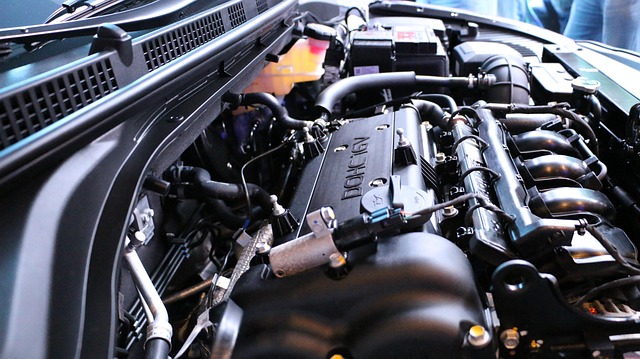
To complete the registration process for your car in California, you’ll need to fill out essential paperwork and pay corresponding fees at a DMV (Department of Motor Vehicles) office or online. The application process involves providing detailed vehicle information, including a valid Vehicle Identification Number (VIN) inspection, which can be conducted through a DMV vin verifier or mobile vin inspection service. This step is crucial as it ensures the car’s history is accurately represented, protecting both you and future owners from potential issues.
The application requires accurate and up-to-date details such as the vehicle make, model, year, and current mileage. You’ll also need to provide proof of insurance, identification documents, and any required registration fees. The DMV offers several payment methods, including cash, credit card, or check, with specific guidelines for each option. Ensure you have all necessary documents before beginning the process to avoid delays. Online registration is available, streamlining the procedure and often reducing wait times compared to in-person visits.
Once your application is complete and fees paid, the DMV will issue a registration certificate, typically valid for one or two years, depending on the vehicle type. It’s essential to keep this document secure and up-to-date, as it’s proof of ownership and legal operation of your vehicle within California. Regularly renewing your registration ensures uninterrupted use of your car and avoids potential penalties or fines for late renewal. Effective organization and timely renewals are key aspects of responsible vehicle ownership.
Receive Your Vehicle's Registration and License Plate

After completing the necessary paperwork and passing the required inspections, the next step in registering your car in California is to receive your vehicle’s registration and license plate. This crucial phase involves obtaining official documentation from the California Department of Motor Vehicles (DMV) that verifies your car’s authenticity and complies with state regulations. One efficient method to facilitate this process is by utilizing a mobile VIN verifier, which can be integrated into the DMV’s vin inspection protocol.
A mobile VIN verifier acts as a digital tool, enabling accurate and swift verification of a vehicle’s unique identification number (VIN). This technology ensures that your car’s history, including any previous owners or accidents, is accurately recorded and cross-referenced with state databases. For instance, some mobile vin verification apps can provide instant access to detailed vehicle reports, enhancing the overall efficiency of the registration process. By combining traditional DMV procedures with innovative solutions like mobile vin verification, you can streamline the acquisition of your license plate.
Upon successful VIN inspection using a reliable mobile verifier, you’ll be issued a registration certificate and a set of customized license plates. These plates serve as physical manifestations of your car’s official recognition by the state. Ensure that you securely affix these plates to your vehicle, adhering to the DMV’s guidelines on placement and security. Remember, proper documentation and adherence to these procedures not only facilitate a smooth registration experience but also contribute to California’s overall regulatory framework for road safety and vehicle ownership.
By meticulously preparing the required documents, following a structured approach during your visit to the California DMV, verifying the Vehicle Identification Number (DMV VIN verifier) for accuracy, completing the application with meticulous attention to detail, and promptly settling the registration fees, you’ll efficiently navigate the car registration process. Receiving your vehicle’s registration and license plate marks a successful conclusion, ensuring your car is legally recognized and ready to hit the road. This streamlined guide empowers individuals to confidently tackle this essential administrative task, demonstrating the clarity and authority of our comprehensive instructions.