

Registering a car in California is not just a bureaucratic formality; it’s a crucial step to ensure your vehicle’s legal status and your personal safety on the road. However, navigating the process can be challenging, often fraught with confusion and delays. This comprehensive guide aims to demystify the procedures, emphasizing the critical role of Vehicle Identification Number (VIN) verification throughout. By the end, you’ll possess the knowledge to streamline the registration process, ensuring a smooth experience in securing your vehicle’s legal documents in the Golden State.
- Prepare Your Vehicle Documentation
- Gather Necessary Identifying Information
- Submit Application for Vehicle Registration
- Complete VIN Verification Process
- Receive Your California Registration Certificate
Prepare Your Vehicle Documentation

Before you register your car in California, ensure your vehicle documentation is in order for a seamless process. One crucial step involves verifying your Vehicle Identification Number (VIN). This unique 17-character code acts as a fingerprint for your car and is essential for registration. In California, VIN verification is typically conducted through a mobile inspection or a designated service center. A mobile VIN inspection offers convenience by allowing you to get the process done at your preferred location—be it your home or workplace. This method also saves time, eliminating the need for visits to government offices.
For instance, many licensed auto inspectors now provide mobile VIN verification services. They use specialized equipment to cross-reference the VIN with manufacturer records, ensuring its authenticity and checking for any brand or model-specific issues that could impact registration. The California Department of Motor Vehicles (DMV) emphasizes the importance of accurate VIN documentation to combat vehicle fraud, a concern that has seen increasing emphasis in recent years. According to DMV statistics, over 10% of attempted registrations involving vehicles with suspected fraudulent VINS were denied in the past year alone.
To prepare, gather all necessary documents related to your car, including registration paperwork from previous owners, title certificates, and insurance information. Additionally, ensure you have access to your vehicle’s VIN—it’s typically found on a sticker inside the driver’s door or under the hood. If you’re still unsure about any aspect of VIN verification or the registration process, consider reaching out to a local DMV office for guidance. Their expertise can help navigate any complexities and ensure a successful car registration in California.
Gather Necessary Identifying Information

Before you can register your car in California, you’ll need to gather essential identifying information. This process begins with verifying the Vehicle Identification Number (VIN). The VIN is a unique 17-character code that serves as the car’s fingerprint; it’s crucial for accurate identification and registration. One efficient way to handle this step is by utilizing mobile VIN inspection services, which allow you to confirm key vehicle details remotely, including the VIN itself. This modern approach streamlines the initial verification process, especially if your car is already in California or you’re dealing with a used vehicle purchase.
California’s Department of Motor Vehicles (DMV) requires comprehensive data to ensure the accuracy of every registered vehicle. Besides the VIN, prepare documents like proof of ownership (either a title or bill of sale), current registration papers (if applicable), and valid identification for all occupants. For example, if you’re registering a newly purchased car, the dealer will often assist with gathering these documents during the transaction. However, if you’re transferring a title, expect to provide additional paperwork. It’s advisable to double-check what specific documents are needed using the official DMV guidelines or by contacting your local field office for a seamless registration process.
For those who prefer a hands-on approach or own classic or rare vehicles, mobile VIN verification can be invaluable. This service sends a specialist to your location to conduct a thorough inspection, including VIN verification, using state-of-the-art equipment. This method is particularly beneficial if you’re unsure about the vehicle’s history or want an expert opinion on potential issues before registration. By combining traditional documentation with mobile VIN inspection, you ensure a comprehensive and accurate registration process in California.
Submit Application for Vehicle Registration
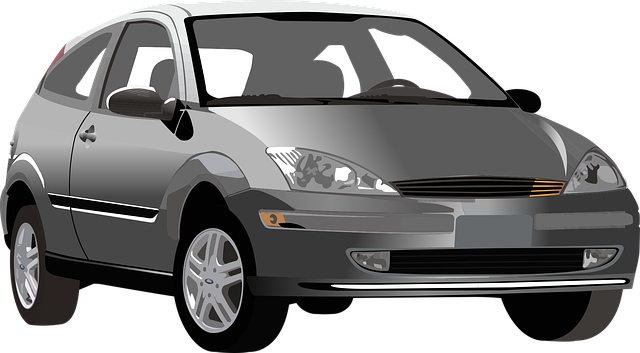
To register your car in California, submitting an accurate application for vehicle registration is a crucial step. This involves providing detailed information about your vehicle, including its make, model, year, and unique Vehicle Identification Number (VIN). The VIN is a critical component of the registration process, as it facilitates precise identification and vin verification. This number undergoes rigorous checks during the registration process to ensure its authenticity and prevent fraud. For instance, California’s Department of Motor Vehicles (DMV) employs advanced systems to cross-reference the submitted VIN with databases, ensuring it matches the vehicle described in the application.
A key aspect of this submission is ensuring a comprehensive vin inspection. This involves a meticulous review of your vehicle’s information against various sources, including manufacturer records and state databases. To streamline this process, many California residents opt for mobile vin verification services. These services utilize mobile vin inspectors who can perform an on-site, real-time VIN inspection. A benefit of such services is their convenience, eliminating the need to visit a DMV office or wait in line. Mobile vin inspection companies often employ certified professionals equipped with specialized tools to conduct thorough checks, ensuring your vehicle’s details are accurate and reliable.
When submitting your application, ensure all data, including the VIN, is entered precisely as it appears on the vehicle’s registration documents or title. Inaccurate or incomplete information can lead to delays in processing and potential issues down the line. For example, an incorrect VIN might result in a mismatch with existing records, causing unnecessary complications. To avoid such pitfalls, double-check all details, and if needed, seek assistance from a trusted automotive professional or mobile vin inspection service.
Complete VIN Verification Process

Registering a car in California involves a meticulous process, particularly when it comes to ensuring the vehicle’s authenticity through a comprehensive Vehicle Identification Number (VIN) verification. This step is critical in preventing fraud and ensuring the safety of both buyers and sellers. The VIN, a unique code that identifies a specific vehicle, serves as the linchpin for this verification process. Among the key steps, mobilizing a mobile vin verifier stands out as a modern convenience that streamlines the inspection phase.
A California Department of Motor Vehicles (DMV) approved mobile vin inspection offers several advantages. It eliminates the need for physical visits to DMV offices, saving time and effort for both parties involved. This method allows for on-site verification, ensuring that the vehicle’s history is accurately represented without any tampering or alterations. For instance, a mobile vin verifier can swiftly cross-reference the provided VIN with database records, flagging any discrepancies or potential fraud. This technology has become increasingly sophisticated, providing real-time data access and enhancing the accuracy of inspections.
During the process, the mobile vin verification specialist will use specialized equipment to scan and decode the VIN, accessing a wealth of information about the vehicle’s past. This includes details on manufacturing, model year, mileage, accident history, and ownership changes. By comparing these against the paperwork and physical inspection, any anomalies can be swiftly identified. This meticulous approach not only secures the registration process but also contributes to a safer, more transparent automotive market in California.
Receive Your California Registration Certificate

After completing your California car purchase, the next step is to receive your official registration certificate. This process involves verifying your vehicle’s unique identifier—the Vehicle Identification Number (VIN). In California, VIN verification is a critical part of the registration procedure, ensuring that all vehicles on the road meet safety and legal standards. One efficient method for this verification is through a mobile VIN inspector or service, which allows you to complete this requirement conveniently and often within minutes.
A mobile VIN verifier can perform an inspection by checking your vehicle’s details against state databases. This digital process verifies not just the VIN but also crucial information such as the vehicle’s make, model, year, and any reported history of damage or accidents. It’s a straightforward procedure; the inspector will need access to your car—typically just the VIN location—and then uses specialized software to cross-reference the data with California’s records. This modern approach streamlines what could otherwise be a time-consuming task, especially for those who may have difficulty visiting a DMV office.
Once your VIN inspection is complete and passed, you’ll receive your California Registration Certificate. This document confirms that your vehicle is in compliance with state regulations and allows you to legally operate it on public roads. It’s advisable to keep this certificate readily accessible, as you might need to produce it for future reference or when selling your vehicle. With a mobile VIN inspection, you can ensure a smooth transition during the registration process, eliminating potential delays or complications that may arise from traditional verification methods.
By meticulously preparing your vehicle documentation, gathering essential identifying information, submitting a complete application for vehicle registration, and successfully completing the VIN verification process, you can ensure a smooth and efficient registration experience in California. These steps, as outlined in this authoritative article, empower you to navigate the registration process with confidence, ultimately securing your California registration certificate. The key takeaway is that proper preparation and adherence to these structured procedures are vital for a successful outcome.